
That classification is wrong.
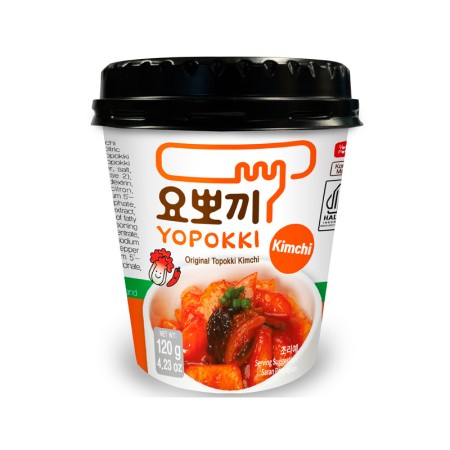
The product is a rice-cake cup with kimchi-flavored sauce, not packaged kimchi. The category should be corrected before the page is indexed by search engines or exported to retail feeds.
KCN lists barcode 8809054403452, Halal, room-temperature storage and 30 cups per carton. Woosin Trading publishes the exact SKU at 120g x 30, 12 months shelf life, 4.8kg gross carton weight, case dimensions 480 × 300 × 235 mm, and 0.034 CBM.
Thirty cups contain 3.6kg of declared food net weight. The commercial geometry is therefore identical to several other Yopokki cup flavors, making mixed-flavor pallet planning easy.
The kimchi element is a sauce/flavor system, not a separate container of fermented cabbage. Current European listings for barcode 8809054403452 describe rice cakes with a kimchi-style seasoning containing soy-sauce powder, garlic, tomato, vinegar, onion, chili flavoring and other seasonings. The exact export label should control the final ingredient declaration.
Some current retailers market this SKU as both Halal and vegan. KCN’s own catalogue clearly marks Halal but does not consistently surface vegan on every row. If KCN wants to publish vegan status, it should attach the exact current manufacturer documentation rather than inherit the claim from a third-party retailer.
Shelf-life data again differs across distributors. Woosin says 12 months, while Box World lists 15 months. The actual batch date and printed expiry should settle the question for every quotation.
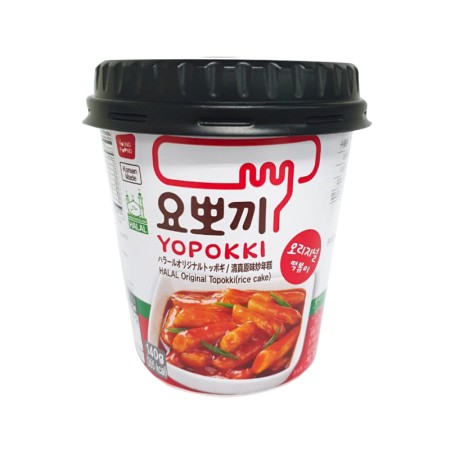
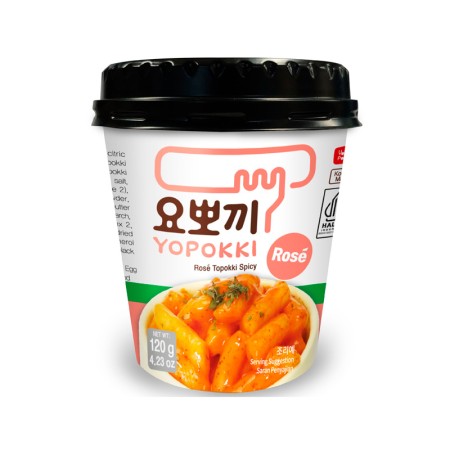
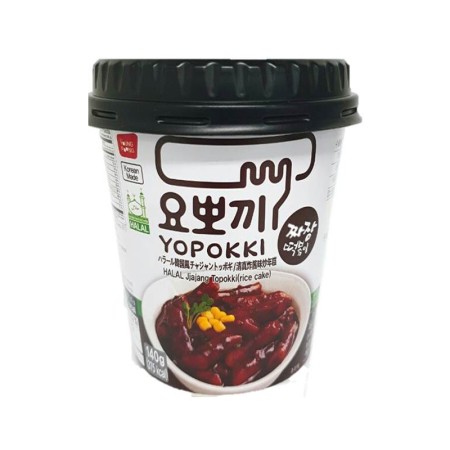
The commercial story is stronger once the category is fixed. Original Kimchi is a rice-cake meal using kimchi flavor to widen the Yopokki range. It can sit beside Original, Spicy, Jjajang and Rose without becoming a fermented-food logistics problem.
For KCN, the hard reference is 120g, barcode 8809054403452, Halal, room-temperature storage, 30 cups per carton, 4.8kg gross, 0.034 CBM. The category should be corrected from Kimchi & Pickles to Tteokbokki & Rice Cakes.