
That history is more useful to a buyer than saying Buldak is “viral.” It tells you that the line began as a specific sauce-style spicy noodle product, not as a generic hot ramen brand that later acquired an identity through social media.
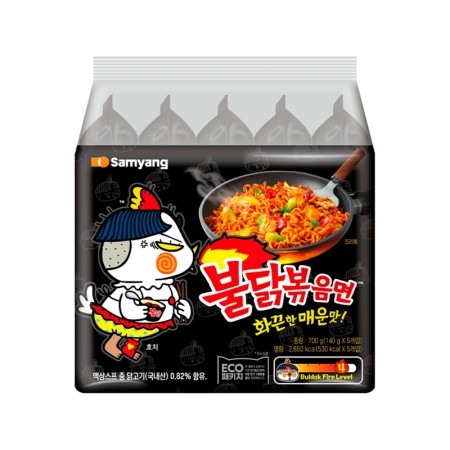
Samyang’s Korean product page lists the standard Original pack at 140g, 530 kcal and six months of shelf life, classifies it as an instant fried noodle, and identifies the pack material as polypropylene. KCN’s catalogue carries the retail multipack SAMYANG BULDAK RAMEN ORIGINAL 140g*5, barcode 8801073140578. KCN lists 8 multipacks per carton.
That case configuration is worth unpacking. Each retail multipack contains five 140g noodle packs, so one retail unit contains 700g of food net weight. Eight multipacks therefore contain 5.6 kg of declared food net weight per carton, before the outer multipack film and shipping carton are included. The commercial case contains 40 individual noodle packets.
That makes this SKU a very different freight proposition from a Buldak cup. Packet noodles pack much more densely. The importer carries more food weight in each case, but uses container space more efficiently because there are no rigid bowls.
Buldak is a sauce noodle, and the preparation matters
The product sits in the same broad instant-noodle aisle as soup ramen, but the eating format is different. Buldak Original is built around a concentrated sauce coating the noodles rather than a bowl of broth. That distinction should survive every destination-market description and preparation label.
A retailer selling Korean noodles may place Shin Ramyun and Buldak next to each other, yet the products solve different customer expectations. One is broth-led. The other is a stir-style spicy noodle. That variety is commercially more useful than simply adding another soup flavor.
The sauce format also changes how the product should be described online. Search pages built around “Korean ramen” alone miss the actual product story. Importers are looking for Buldak specifically, and many will care about the exact flavor, pack count, heat level and whether they are buying a single pack, a four-pack, a five-pack or a cup.
The five-pack is the retail unit KCN is listing
The KCN barcode 8801073140578 belongs to the 140g × 5 multipack entry, not the barcode for an individual 140g packet. That distinction matters for ERP setup, retailer listings and quotation sheets. If the buyer intends to retail the five-pack as one unit, the multipack barcode is the commercially relevant code. If the buyer intends to sell individual packs, KCN should confirm how the inner packets are coded and whether the destination-market retail setup permits that.
A purchasing system that records “140g” while the actual retail unit is 700g can create problems in inventory, customs paperwork or product-page pricing. The product title should always preserve the 140g × 5 format.
The same issue appears in carton planning. KCN lists eight retail multipacks per carton. That means a buyer ordering one carton is physically taking eight five-packs, not eight individual ramen packets.
Shelf life should be verified against the actual export pack
Samyang’s Korean page currently gives the domestic Original 140g product a six-month shelf life. Some international Samyang pages or overseas packs can display different shelf-life periods. That is exactly why an importer should never lift shelf-life information from whichever English product page appears first in search.
The export batch being supplied to the destination is the controlling product. KCN should confirm the current batch, printed date and documentation for the actual goods being quoted.
This also affects inventory depth. A carton holds 40 individual servings. A distributor buying many cartons is accumulating stock quickly even though the purchase order may show only a modest number of cases.
The original Buldak is useful as the anchor for the rest of the line
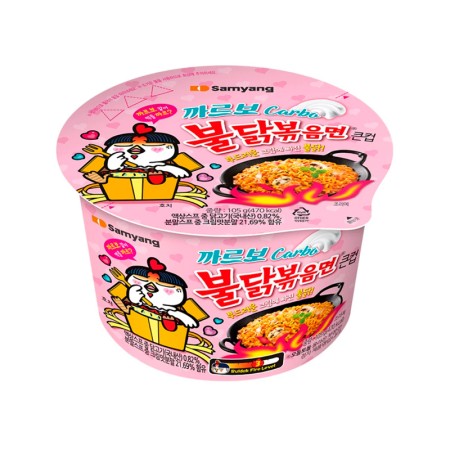
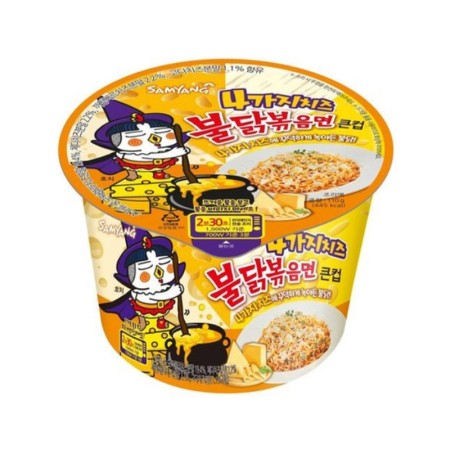
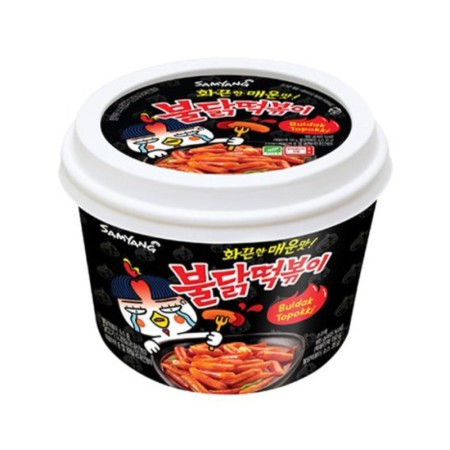
KCN’s catalogue contains multiple Buldak forms: Carbonara multipacks, Rose, 4 Cheese, cup products, sauces, tteokbokki and flat glass-noodle products. That is a useful range, but the Original product gives the buyer a reference point.
A supermarket entering Buldak for the first time may begin with Original and Carbonara. A specialist Korean grocer may carry five or six variants. A distributor servicing multiple channels may need packet and cup formats simultaneously.
The commercial mistake is treating every flavor as equally deep inventory.
For KCN, the strongest sourcing conversation starts with the channel and the intended retail unit. Original 140g × 5 can then anchor the quote while other Buldak products are added for genuine assortment reasons.