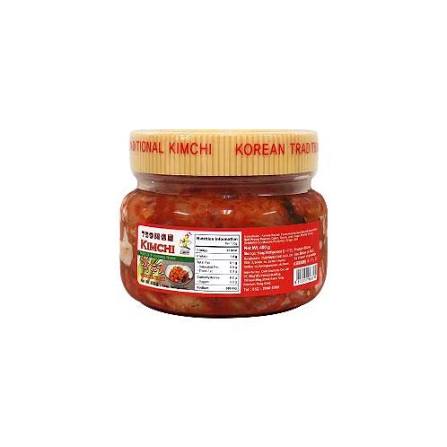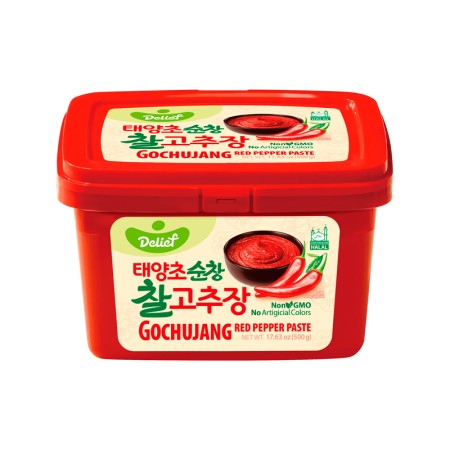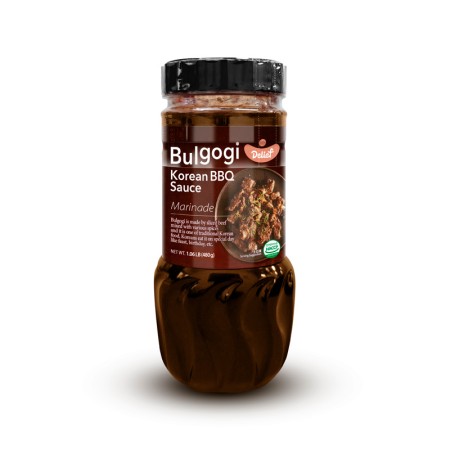

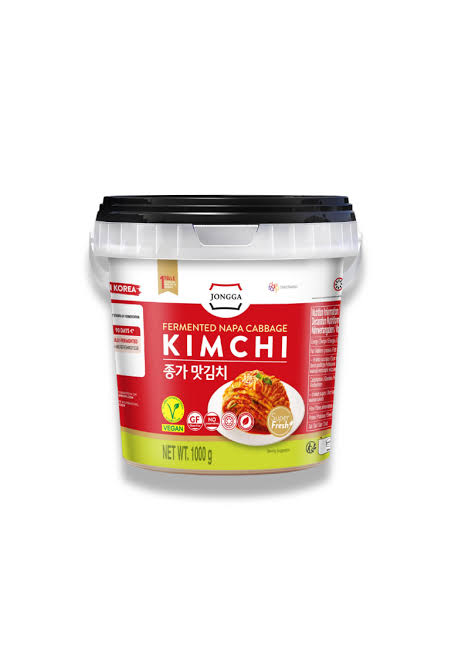
KCN lists barcode 8802257067803, tags the product Halal, Vegan / Vegetarian, and records storage at 0–10°C refrigerated. Twelve 400g packs equal 4.8 kg of declared food net weight per carton.
Daekwang F&G’s own export catalogue adds the missing physical details for its 400g cut-cabbage kimchi format: 12 units per case, individual pack dimensions around 104 × 87 mm, case dimensions 430 × 310 × 105 mm, six months shelf life, and cold storage. The manufacturer has been focused on kimchi since the late 1980s, operates in Gimhae, and publicly lists HACCP, ISO/FSSC-related and Halal certification history.
That manufacturing background is worth more than generic copy about “authentic Korean tradition.” It tells the importer that this is a specialist kimchi producer with a documented cold-storage export line.
The product is fermented food, and fermentation keeps mattering after production. Temperature affects the rate at which kimchi continues to acidify and develop gas. That is why refrigerated handling is not just about food safety or freshness; it also controls product development in the pack.
The 0–10°C range in KCN is broad enough that the importer should still ask the supplier for the preferred operating target and any instructions for transit. A reefer set too warm can accelerate fermentation. A poorly managed warehouse can cause packs to swell, leak or arrive with a much sharper acidity than the retailer expects.
The 400g PET format also matters physically. Rigid containers are more resistant to crushing than pouches, but fermented food can still generate internal pressure. The importer should understand whether the packaging has any pressure-management feature and how the producer wants the cartons oriented during transit.
The Vegan / Vegetarian tag is commercially significant because conventional kimchi often uses fish sauce, salted shrimp or other animal-derived seasoning. This SKU is positioned differently. KCN should still attach the exact ingredient specification to the claim and not assume that every DAEKWANG kimchi product is vegan.
The Halal tag should likewise be backed by the current certificate for the exact product/facility. Daekwang’s own corporate history records Halal certification and JAKIM certification activity, but a buyer should still request the current valid document rather than rely on a historical milestone.
The six-month shelf life makes batch freshness crucial. Unlike an 18-month sauce, a refrigerated fermented product can lose a large part of its commercial window during production scheduling, cold consolidation and sea freight.
For KCN, the useful hard data is 400g x 12, barcode 8802257067803, 4.8kg net food per case, refrigerated 0–10°C, Halal, Vegan / Vegetarian, six-month manufacturer export shelf life.